For a daily drinking-water bottle, copper is the classic choice for its mild antibacterial effect — as long as you don't store water longer than 6–8 hours. Stainless steel is the safest, most convenient all-rounder, and the only one of the three that's fine for acidic drinks. Brass is best kept for serving and decor rather than long water storage. Here's the full side-by-side.
| Copper | Brass | Stainless Steel | |
|---|---|---|---|
| Best for | Daily drinking water (Ayurvedic "tamra jal") | Decor, diyas, serving | Everyday water, gym, kids |
| Safety | Safe within limits (don't over-store) | Safe if lead-free; not for long acidic storage | Inert and very safe |
| Antibacterial | Yes — mild, documented | Mild (from its copper content) | No |
| Acidic drinks | Avoid storing | Avoid storing | Perfectly fine |
| Taste | Slight earthy note | Faint metallic note | Neutral |
| Care | Polish occasionally (lemon + salt) | Polish to shine or let it patina | Easy — often dishwasher safe |
| Rough cost | ₹₹ | ₹₹–₹₹₹ | ₹ |
Copper: the traditional drinking-water choice
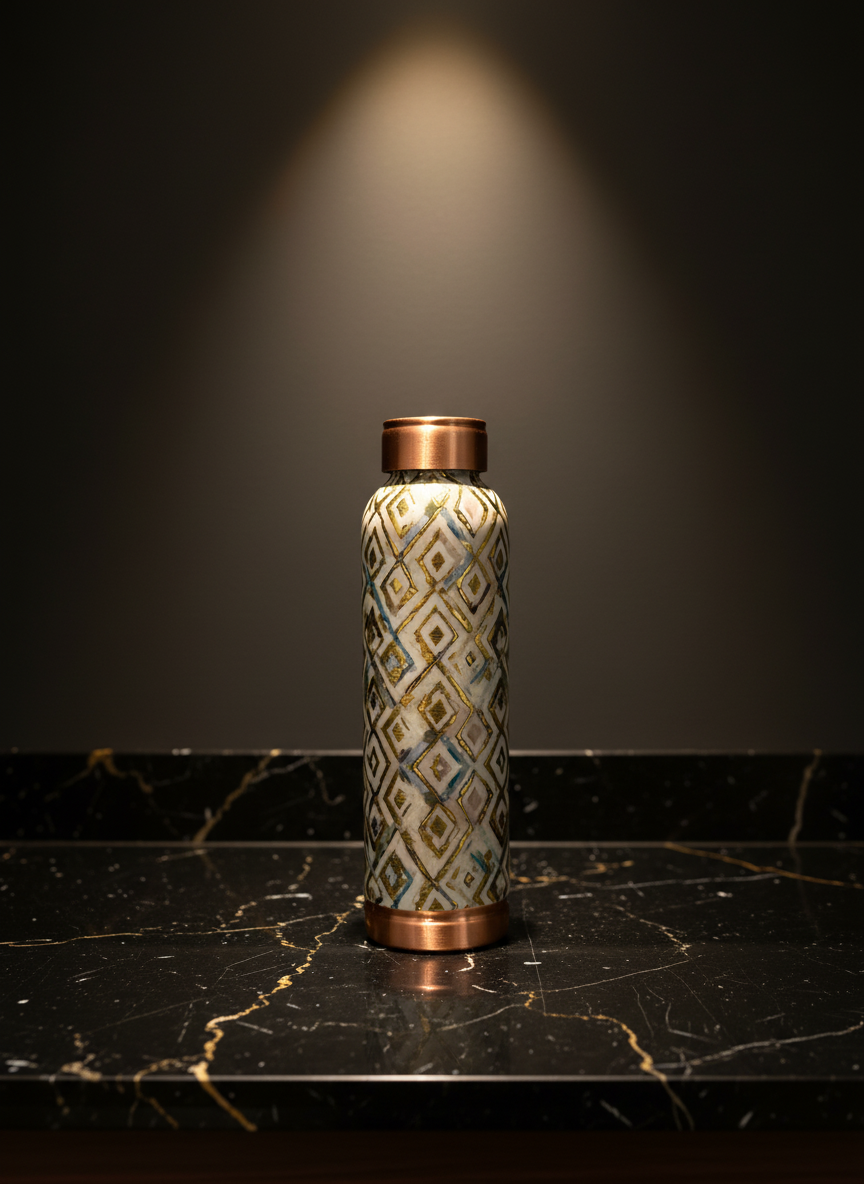
In Ayurveda, water stored in copper is called tamra jal, and copper does have a genuine, documented antibacterial effect that can reduce certain bacteria in stored water. The key is moderation: water kept in copper for 6–8 hours picks up only about 0.1–0.3 mg of copper per litre, comfortably inside the WHO and ICMR safe daily intake of 1–2 mg. Don't store water for 24 hours or more, and never keep acidic drinks in it. A well-made copper bottle used sensibly is a lovely daily ritual.
Brass: beautiful, but mind the use
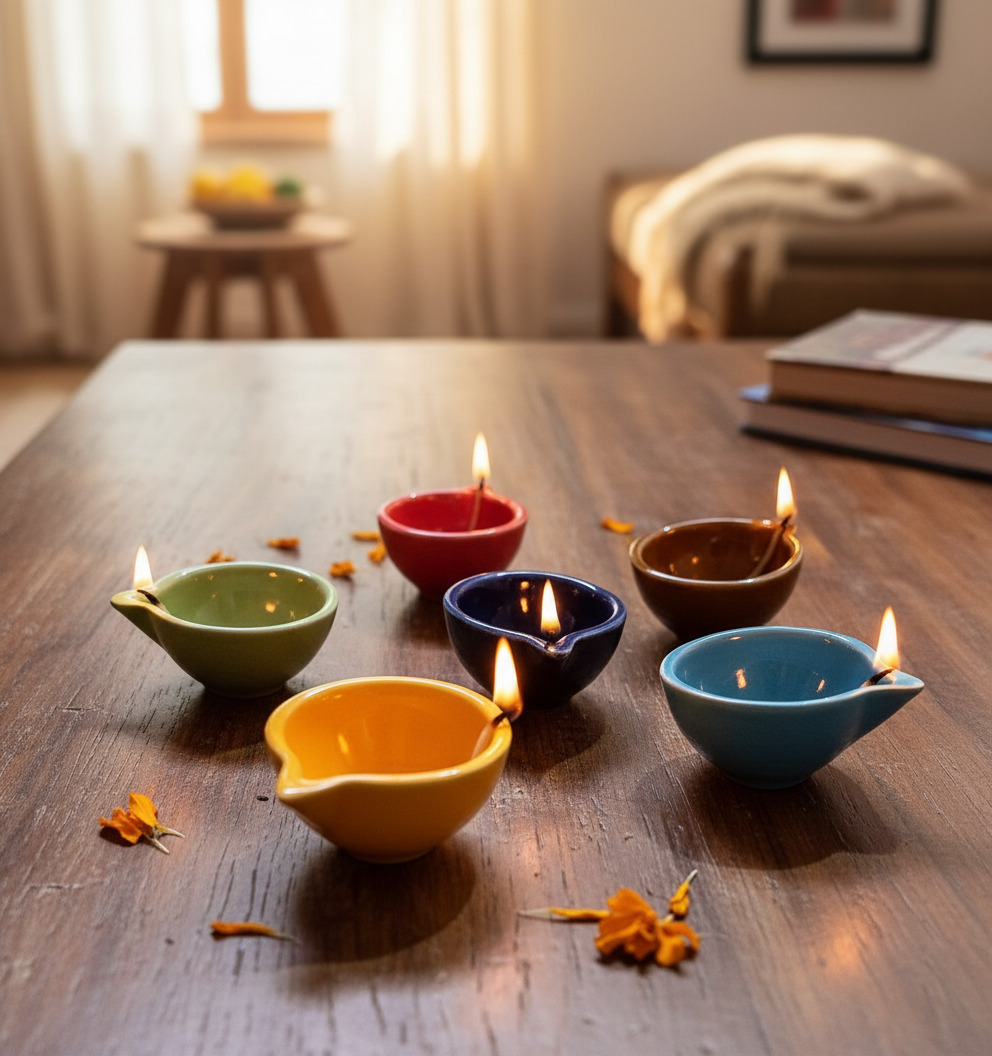
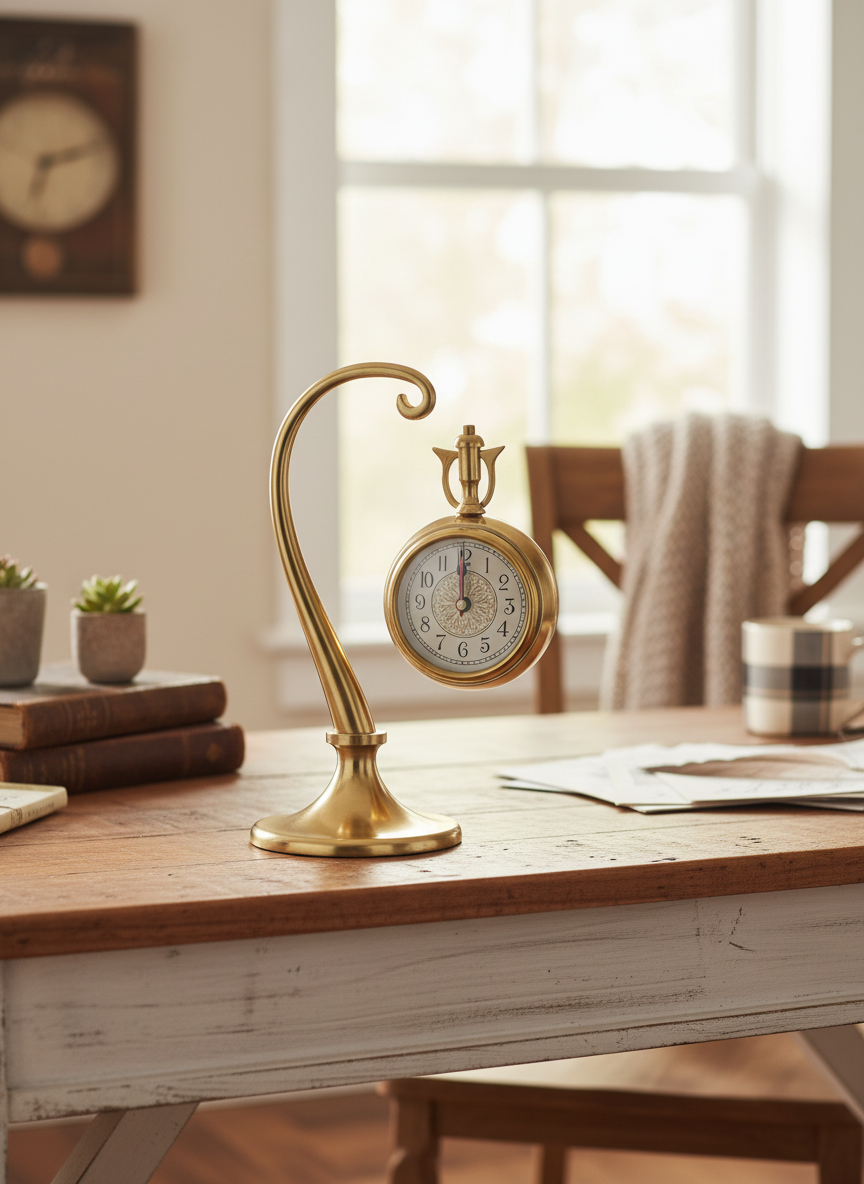
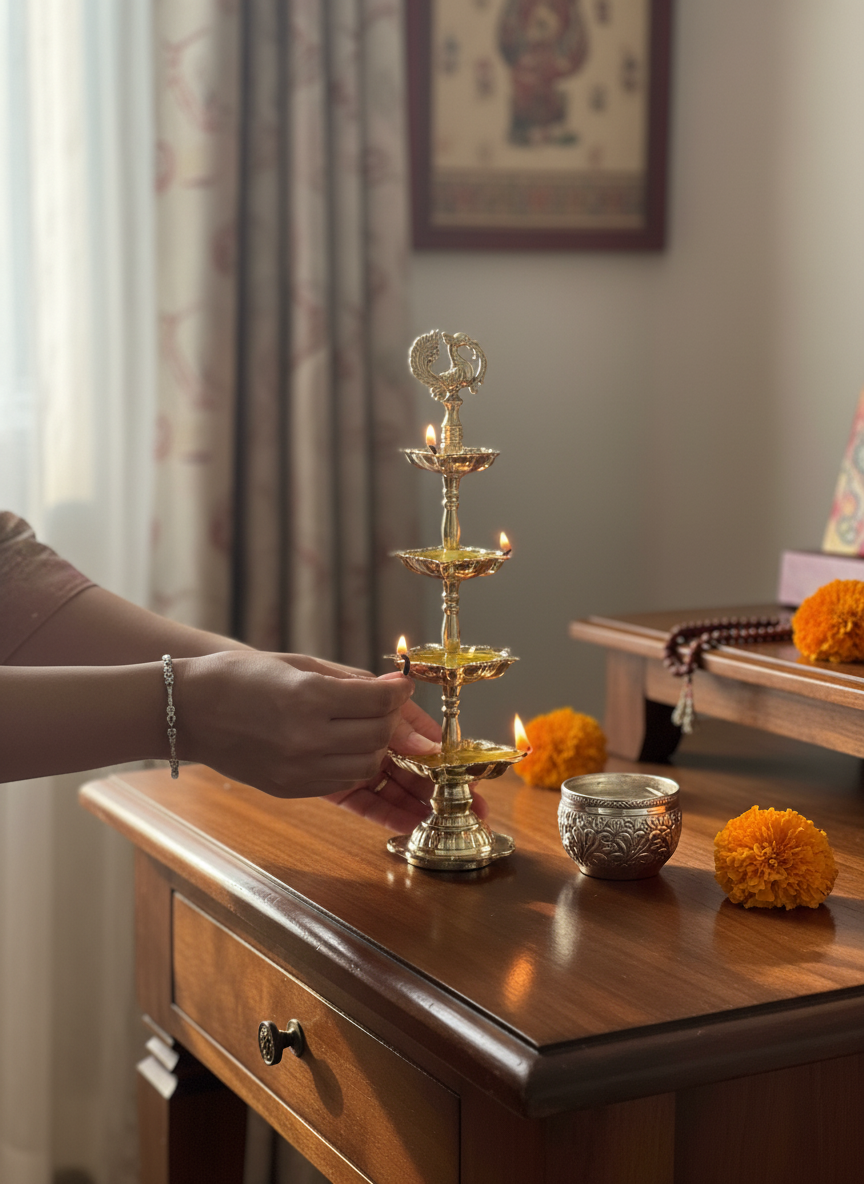
Brass is mostly copper plus zinc, so it carries some of copper's character. But because of zinc — and the risk of lead in low-grade brass — it's better suited to serving and decor than to storing water all day. For honest detail, see is brass safe for drinking water? Where brass truly excels is craftsmanship: handcrafted brass pieces, diyas, and serveware that bring warmth to a room.
Stainless steel: the easy all-rounder
Stainless steel is inert — it doesn't react with water or even acidic drinks, needs no storage limits, and is the most fuss-free to clean. It doesn't offer copper's antibacterial edge or brass's beauty, but for a school bag, the gym, or simple everyday hydration, it's the practical, worry-free pick.
The verdict
- Want the traditional, antibacterial ritual? Choose copper, and drink within 6–8 hours of storing.
- Want zero fuss and acidic-drink friendly? Choose stainless steel.
- Want warmth and craft on the table? Choose brass for serving and decor, not all-day water storage.
Most homes are happiest with a mix: a copper bottle for the morning ritual, steel for the gym bag, and brass where it can be seen and admired.
Frequently Asked Questions
Which metal is best for drinking water?
For a dedicated daily drinking-water bottle, copper is the traditional and popular choice for its mild antibacterial effect — provided you store water for no more than 6–8 hours. Stainless steel is the safest all-rounder for everyday use and acidic drinks. Brass is best kept for serving and decor rather than long water storage.
How long can I store water in a copper vessel?
Up to about 6–8 hours (overnight is the classic practice). Water stored that long typically picks up only 0.1–0.3 mg of copper per litre, well within the WHO/ICMR safe daily intake of 1–2 mg. Avoid storing water for 24 hours or longer.
Is stainless steel safer than copper or brass?
Stainless steel is the most inert of the three — it does not react with water or acidic drinks and needs no special limits, which makes it the easiest and safest everyday option. Copper and brass offer traditional and antibacterial benefits but require mindful use.
Can I drink lemon water from a copper or brass bottle?
No — avoid acidic drinks (lemon water, buttermilk, citrus) in copper or brass. Acids react with the metal and can cause excess leaching. Use stainless steel or glass for acidic drinks.
The umsang Studio
Handcrafted home decor, made by Indian artisans.